

Is AI search optimization the same as SEO?
Short answer: No.
Long answer: AI Search Optimization and SEO (Search Engine Optimization) overlap in foundation but differ in how visibility is earned, evaluated, and reported, especially in AI-driven search experiences like Google Search AI-Mode, ChatGPT browsing, Microsoft Copilot, Claude, and Perplexity AI.
This article defines both disciplines, clarifies similarities and differences, and outlines best practices and performance reporting frameworks for ranking in AI-generated results.
Definitions
What is SEO? Search Engine Optimization (SEO) is the practice of improving a website’s visibility in traditional search engine results pages (SERPs).
It focuses on:
- Keyword targeting
- Crawlability and indexation
- Backlinks and authority
- Structured data (Click here -> for The Essential Structured Data (Schema) Checklist for Local Businesses)
- Content depth and relevance
- Core Web Vitals and accessibility
Primary outcome: Rank higher in blue-link organic results.
What is AI Search Optimization? AI Search Optimization (aka GEO, AEO, LLMO) is the practice of optimizing content and digital entities to be:
- Cited
- Referenced
- Summarized
- Synthesized
inside AI-generated search responses, and applies to:
- AI Overviews in Google and other AI systems
- Conversational AI responses
- AI answer engines
- LLM-powered assistants
Primary outcome: Be selected as a source inside AI-generated answers.
Similarities Between SEO and GEO
Key overlap:
If your technical SEO is weak, your AI readiness and visibility will fail.
Key Differences Between SEO and AI Search Optimization
1. Ranking vs Selection
- SEO = Ranking algorithm
- AI Search Optimization = Selection model inside generative synthesis
AI models do not “rank” pages in the traditional sense. They:
- Retrieve relevant sources
- Score for authority and clarity
- Extract structured insights
- Generate a summarized response
- Cite sources selectively
Your content must be extraction-friendly.
2. Keywords vs Intent Coverage
SEO focuses heavily on:
- Keyword density
- Query mapping
- On-page optimization
AI prioritizes:
- Topical completeness
- Intent clusters
- Clear question-answer formatting
- Entity relationships
AI systems prefer content that:
- Anticipates follow-up questions
- Defines terms explicitly
- Uses structured headings
- Includes FAQs
3. Backlinks vs Brand Authority
Traditional SEO:
- Backlink volume
- Anchor text
AI Search Optimization expands to:
- Brand mentions across trusted domains
- Review sentiment
- Knowledge Graph consistency
- Third-party validation
AI models infer trust through entity corroboration across the web.
Best Practices for Ranking in AI Search Results (AI Readiness Framework)
1. Optimize for Entity Clarity
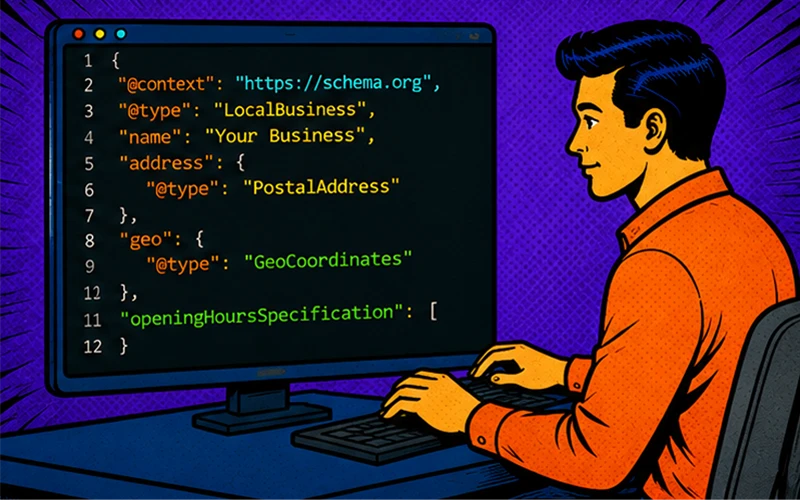
- Use LocalBusiness or relevant schema types
- Ensure NAP consistency
- Align website data with external listings
- Define your organization clearly in structured data
AI models rely heavily on entity resolution.
2. Use Structured Content Architecture
AI prefers:
- Clear H1 (single, explicit topic)
- Logical H2 clusters
- FAQ sections
- Bullet summaries
- Definition blocks
Recommended modules:
- FAQ schema
- Review schema
- HowTo schema
- BreadcrumbList
- Author schema
See modfyr's Essential Structured Data Checklist for Local Businesses
3. Answer Questions Directly
Use explicit Q&A formatting:
for example...
What is AI search optimization?
AI Search Optimization is the practice of improving how well your business, content, and website are understood, cited, and surfaced by AI-powered search experiences such as ChatGPT, Google AI Overviews, Google AI Mode, Gemini, Claude, Perplexity, and Copilot.
How does AI search optimization differ from traditional SEO?
Traditional SEO focuses on improving rankings in search engine results pages. AI Search Optimization focuses on helping AI systems accurately understand, trust, reference, and recommend your business within AI-generated answers. While SEO aims to earn clicks, AI Search Optimization aims to earn citations, mentions, and inclusion in AI responses.
Direct answers improve extractability. Bonus points for including solutions and extra bonus points for quantifiable solutions.
4. Build Topical Authority, Not Just Page Authority
Instead of one page targeting: “AI Search Optimization”, create clusters and content that expands on and supports the key topic. For example:
- What is AI search optimization?
- SEO vs traditional SEO vs AI search optimization
- How to measure AI readiness and visibility
- How AI Search is evolving local SEO
- Case studies
AI systems reward topic depth.
5. Improve Trust Signals
- Reviews with sentiment
- Author bios
- Cited data sources
- Updated timestamps
- External mentions
Trust = higher probability of AI citation.
How to Measure AI Search Readiness and Visibility
Traditional SEO Metrics:
- Rankings
- Impressions
- Click-through rate
- Organic sessions
- Conversions
AI search optimization requires additional KPIs:
1. AI Citation Frequency
How often your domain appears in:
- AI Overviews
- Chat-based responses
- Answer engines
2. AI Confidence Signals
- Brand mention volume
- Co-citation with authoritative sites
- Structured data coverage
3. Query Match Coverage
% of strategic queries where:
- You are cited
- You are summarized
- Your brand is mentioned
4. AI Readiness Score
Composite metric based on:
- Structured data completeness
- Entity clarity
- Content depth
- FAQ coverage
- Trust signals
SEO + AI Search Optimization: The Integrated Model
The highest-performing brands now operate with:
SEO Foundation
- Technical health
- Content quality
- Backlinks
AI Readiness Layer
- Entity optimization
- Structured extraction
- AI-friendly formatting
- Trust reinforcement
The future is not “SEO vs AI Search Optimization.” It is SEO evolved to be AI search ready.
Final Takeaway
AI search optimization is not replacing SEO. It is redefining what “ranking” means in an AI-first world.
To win in AI search:
- Be technically sound
- Be structurally clear
- Be entity-consistent
- Be topically authoritative
- Be trustworthy across the web
That is how AI chooses you.








Ready to unlock local growth for your business?
Start your free trial today—no credit card required.
Frequently Asked Questions
Still have questions? Please reach out to us at contact@modfyr.com and we'll get back you asap!