

What Is AI Search Engine Optimization?

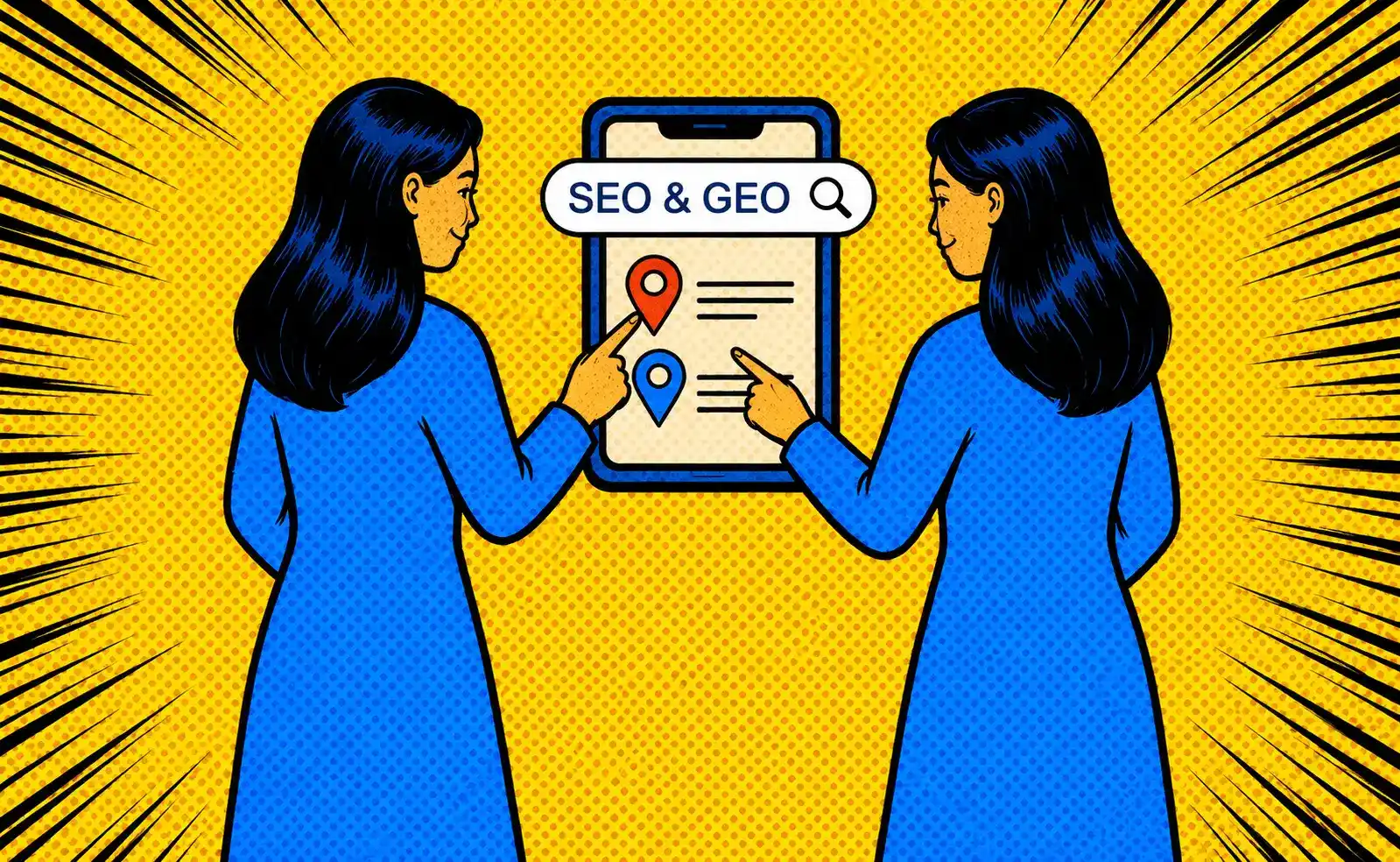
As artificial intelligence becomes a core part of how people search for information online, a new discipline is emerging within digital marketing: AI Search Optimization (aka GEO, AEO, LLMO). AI search readiness focuses on optimizing content so that AI-powered search systems can understand, trust, and cite it when generating answers to user questions.
Traditional search engines typically present users with a list of ranked webpages. In contrast, AI search systems often interpret content and produce direct answers, summaries, or recommendations. When this happens, the system selects sources it considers trustworthy and relevant. AI search readinesshelps ensure that your website becomes one of those sources.
For businesses that rely on online discovery, especially businesses serving local customers, AI search readiness is quickly becoming an important complement to traditional SEO.
How AI Search Readiness Differs from Traditional SEO
While Search Engine Optimization (SEO) focuses on improving rankings in search engine results pages, AI search readiness focuses on improving the likelihood that a page will be used as a source for AI-generated answers.
SEO primarily emphasizes signals such as:
- keyword relevance
- backlinks and authority
- technical website performance
- structured content
AI search optimization builds on many of these same foundations but prioritizes additional signals that help machines interpret and trust information.
These signals often include:
- structured data markup
- clear entity signals
- conversational question-and-answer content
- trust and credibility indicators
- semantic clarity in page structure
Because AI systems must interpret information rather than simply rank it, AI search optimizationfocuses heavily on machine-readable clarity.
Why AI Search Optimization Is Becoming Important for Businesses
The rise of AI assistants, chat interfaces, and generative search engines means that users increasingly receive answers instead of lists of websites.
For example, when someone asks:
- “Who fixes brakes near me?”
- “What dentist is open today?”
- “Best place for an oil change nearby?”
AI systems may generate an answer by analyzing multiple sources and summarizing the most reliable information.
Businesses that provide clear, structured, and trustworthy information are far more likely to be included in these responses.
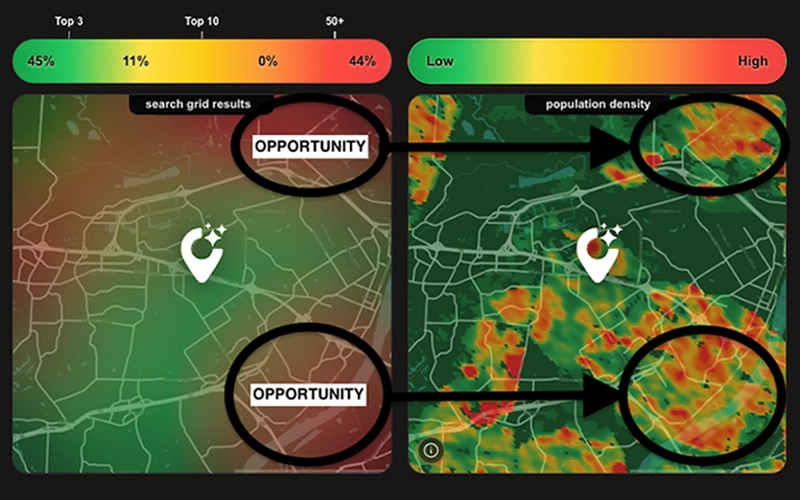
This makes AI search readiness especially important for businesses investing in local SEO, where clear business identity signals and structured content play a major role in visibility.
Key Signals That Influence AI Search Visibility
Although AI systems use complex algorithms, several signals strongly influence whether content can be used as an answer source.
Entity Clarity
AI systems must clearly understand what entity a page represents. For local businesses, this typically includes:
- LocalBusiness structured data
- consistent name, address, and phone information
- clear service descriptions
Structured Data
Schema markup helps machines interpret information with greater accuracy. Structured data allows AI systems to quickly understand details such as services, location, reviews, and contact information.
Click here -> for The Essential Structured Data (Schema) Checklist for Local Businesses
Conversational Content
AI systems often select sources that directly answer common user questions. Pages that provide helpful explanations, FAQs, and service information are easier for AI systems to interpret.
Trust Signals
Credibility signals such as reviews, brand mentions, and consistent business information help AI systems determine whether a source is trustworthy.
How Businesses Can Improve AI Search Readiness
Businesses looking to improve their visibility in AI-powered search should focus on making their content easier for machines to interpret.
This typically includes:
- implementing LocalBusiness schema markup
- improving entity clarity
- expanding helpful content that answers customer questions
- strengthening trust signals
- maintaining consistent business information across platforms
Tools such as Modfyr's AI Readiness Dashboard help evaluate whether a page contains the signals necessary for AI systems to extract and trust its information.
Businesses can also analyze traditional optimization signals using Modfyr's SEO Dashboard, while the Competitive Dashboard reveals how competitor pages compare across both SEO and AI search signals.
Together, these insights help businesses strengthen their content so it can perform well in both traditional search rankings and AI-generated answers.
The Future of AI Search
As AI-driven search continues to grow, the ability for machines to interpret and trust website content will become increasingly important.
Businesses that invest in both traditional SEO optimization and AI Search Optimization will be better positioned to remain visible as search continues to evolve.
Understanding AI search readiness signals today helps ensure your content remains discoverable tomorrow.







Ready to unlock local growth for your business?
Start your free trial today—no credit card required.
Frequently Asked Questions
Still have questions? Please reach out to us at contact@modfyr.com and we'll get back you asap!